

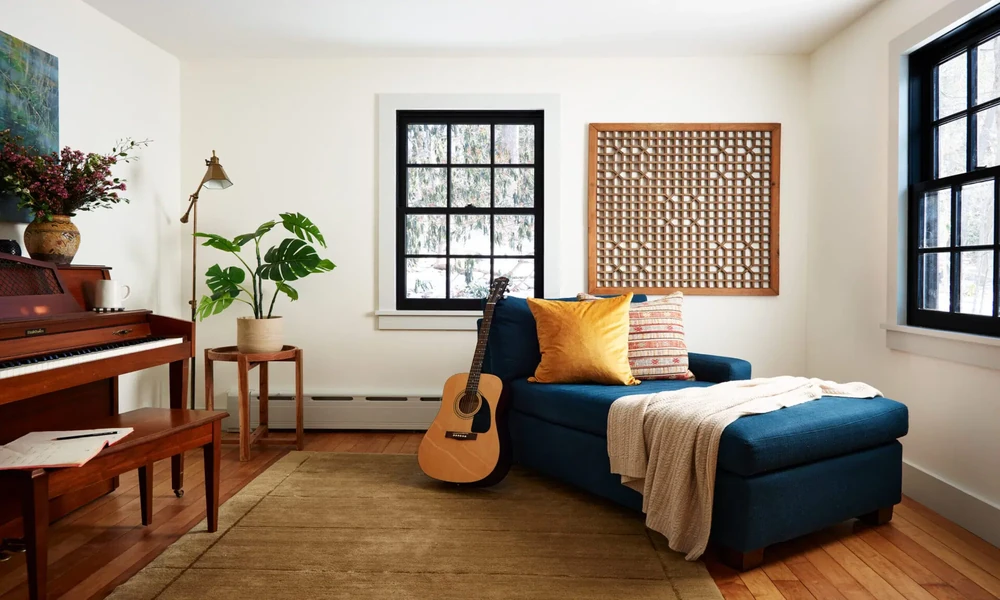
In the realm of interior design, a structured approach is essential. Every choice made in a renovation should resonate with the overall vision of the space. This guide, authored by Fi, aims to share valuable insights that can empower readers to make informed decisions about their living environments.
By delving into the methods employed by an experienced designer, renovators can grasp the complexities involved in transforming a home. Understanding these principles can significantly enhance one’s ability to create a space that reflects personal taste and lifestyle.
Each successful transformation begins with a well-thought-out plan. This ensures a balance between aesthetic appeal and the practical needs of daily life. With actionable tips and expert advice, readers are encouraged to embark on their design journey with confidence.
Key Takeaways
- A structured approach is crucial for successful renovations.
- Insights from experienced designers can guide decision-making.
- Understanding design principles enhances personal expression.
- A clear plan is vital for balancing aesthetics and practicality.
- Confidence in design choices leads to more satisfying outcomes.
Understanding the Foundations of Home Decorating
Understanding the basics of interior design lays the groundwork for any successful transformation. The first step in this journey is defining one’s personal style. This ensures that the space created resonates with individual personality and taste.
Many people find it challenging to pinpoint their true aesthetic. This often happens due to the overwhelming influence of trends on social media. Engaging in soul-searching exercises can help unearth a style that feels authentic and uplifting.
Additionally, learning from architectural history provides a solid foundation for any project. It helps in understanding the structural elements that define a classic space. Professional designers often recommend focusing on what brings joy rather than chasing fleeting trends.
- Defining personal style ensures authenticity in design.
- Social media can cloud one’s true aesthetic.
- Soul-searching helps reveal a positive vibe.
- Architectural history informs structural understanding.
- Joyful choices often lead to lasting satisfaction.
Incorporating Lighting Strategies for a Professional Look
Lighting plays a pivotal role in defining the atmosphere of any interior space. Effective strategies can greatly enhance both the mood and functionality of each room. Prioritising natural light is essential; consider adding skylights, large windows, or glass doors to maximise brightness.
In spaces that lack adequate windows, using reflective surfaces or mirrors can help brighten the area. Additionally, selecting the right ambient and task lighting is crucial. This ensures that the space remains practical for daily activities while maintaining a sophisticated aesthetic.
Many renovators make the mistake of adding lamps too late in the process. This often leads to unsightly wires being visible in the finished room. A well-planned lighting scheme acts as a design element, highlighting furniture and accessories, and elevating the overall look of the interior.
- Incorporating effective lighting strategies is crucial for any home.
- Prioritise natural light by using reflective surfaces.
- Select the right ambient and task lighting for practicality.
- Avoid adding lamps too late to prevent visible wires.
- A well-planned lighting scheme enhances overall design.
Budgeting Tips and Splurge vs Save Strategies
A well-planned budget can make all the difference in transforming a space. Budgeting effectively requires a strategic approach that prioritises key investment pieces. These items provide the most visual impact and should be the focus of your spending.
Investing in high-quality furniture, such as a sofa or flooring, is essential. These elements often account for 50% of a room’s overall look. In contrast, smaller accessories like rugs and mirrors can be more affordable, allowing you to save on those items.
Employing splurge vs save strategies helps achieve a high-impact transformation without straining finances. By purchasing items piece by piece, you can create a home that feels curated and intentional. Careful financial planning ensures you do not settle for second best, fostering a positive mindset throughout the renovation process.
- Prioritise key investment pieces for maximum visual impact.
- Invest in high-quality furniture while saving on smaller accessories.
- Splurge vs save strategies help maintain financial balance.
- Buy items gradually to create a curated look.
- Effective planning leads to a more satisfying renovation experience.
Creating Visual Mood Boards and Detailed Layout Plans
Visual mood boards are a vital component in the journey of transforming a space. They allow you to see how various elements will harmonise together. This process is essential for any home project, ensuring that your vision becomes clear and cohesive.
You can utilise digital tools or even simple sketches to experiment with design ideas. Zoe, a student at the Home Design Lab, showcases her kitchen concepts on Instagram (@temposreno), illustrating how visualisation can guide your renovation.
Moreover, detailed layout plans are crucial. They help prevent costly mistakes by ensuring that every piece of furniture fits perfectly within the available room. Visualising your options before making any financial commitments enables quicker and more confident decisions.
Finally, taking time to reflect on your ideas fosters a clear vision. This practice ensures that you won’t need to shift your goals midway through the project, leading to a more satisfying outcome.
Establishing Vignettes to Enhance Room Aesthetics
Creating curated focal points can transform ordinary interiors into extraordinary experiences. A vignette is a styled view that showcases a piece of furniture, wall art, or shelving, effectively drawing the eye. By establishing vignettes in each room, you add layers of interest and personality, turning a standard living area into a curated gallery of your life.
It is advisable to create at least two or three vignettes per room. This ensures multiple focal points for the eye to explore. Curating these focal points involves using accessories, plants, and floor lamps to build a scene that looks as though it belongs in a magazine.
When planning your interior, consider the angles you would photograph. This thought process helps identify where to place your most cherished items. These small, styled spaces not only make your home feel more inviting but also provide a sense of depth often missing in generic room designs.
Mixing Textures and Colours for a Balanced Interior
The art of mixing textures and colours is fundamental to achieving a balanced interior. This approach adds depth and warmth to spaces, transforming them into inviting environments.
One effective method is layering different materials. For instance, contrasting hard floors with soft rugs can create a dynamic visual experience. Similarly, pairing textured baskets with smooth furniture pieces enhances the overall aesthetic.
While layering materials may require careful budget management, the resulting impact is well worth the investment. A simple yet striking technique is painting woodwork to contrast with walls, as demonstrated in Melanie Lissack’s Essex home.
Every room benefits from the addition of a rug, which serves as a foundational element for balancing colours and textures. This not only enhances the visual appeal but also contributes to a cohesive design throughout the space.
- Mixing textures creates visual layers that warm up a cold space.
- Contrasting hard floors with soft rugs adds depth.
- Layering materials requires budget management but yields significant results.
- Painting woodwork to contrast with walls is an effective design technique.
- A rug serves as a foundational element for balancing colours and textures.
Essential Best Practices for Professional Home Decorating Projects
A successful interior design project hinges on meticulous planning and execution. One of the most common mistakes reported by followers on social media is not measuring new furniture purchases correctly. Ensuring that every item fits the room is crucial.
Playing with height, scale, and space is just as important as selecting the right colours. When the scale of furniture is incorrect, the entire flow of the room can be disrupted. This makes it difficult to enjoy the living space.
Professional designers often learn through trial and error. Thus, measuring your space before making any purchase is vital. By adhering to these essential practices, you can avoid common pitfalls that often lead to frustration during the renovation process.
| Common Mistakes | Impact on Design | Solution |
|---|---|---|
| Incorrect measurements | Furniture may not fit properly | Always measure before buying |
| Poor scale choices | Disrupts room flow | Consider height and size |
| Ignoring spatial relationships | Creates an uninviting space | Plan layout carefully |
Utilising Furniture and Accessories to Transform Spaces
Carefully curated furnishings can redefine the character of any interior space. Choosing statement pieces is vital, as they can anchor the layout of a room. For instance, opting for a generous sofa, such as the House Beautiful Ada Sofa from DFS, maximises comfort and visual impact.
In a living room, avoiding wasted floor space is essential. This ensures that the area feels open and inviting. Additionally, optimising the layout for flow allows for easy movement between different areas of your home. This prevents a cramped feeling and enhances overall functionality.
When it comes to accessories, less is often more. Selecting too many small items can clutter your living spaces, making them feel chaotic rather than elegant. A well-designed room strikes a balance between large furniture and smaller decorative pieces, creating a harmonious environment that supports daily life.
- Choose statement pieces to anchor the room.
- Maximise comfort with generous sofas.
- Ensure easy movement by optimising layout.
- Be selective with accessories to avoid clutter.
- Balance large furniture with smaller decorative items.
Expert Insights from Criss Design
Expert advice from industry leaders can illuminate the path to stunning interiors. Criss Design offers valuable insights that guide homeowners in achieving a professional look without unnecessary stress.
One of the essential tips from Criss focuses on clearing out clutter. This practice creates a blank canvas for your creative ideas to flourish. Sean Symington, a professional interior designer, suggests incorporating vintage pieces, like old French comfit pots, to add texture and history to your space.
Additionally, grouping objects in odd numbers and at varying heights can create elegant displays. By following the advice of Criss, you can learn to balance colour, texture, and form, transforming your home into a three-dimensional painting.
Remember, styling is an art form. Knowing when to stop is crucial, as over-filling a room can detract from the beauty of your chosen pieces.
| Tip | Description |
|---|---|
| Clear Clutter | Create a blank canvas for creativity. |
| Use Vintage Pieces | Add texture and history to your interiors. |
| Group Objects | Display items in odd numbers for elegance. |
| Balance Elements | Combine colour, texture, and form effectively. |
| Know When to Stop | Avoid over-filling to maintain beauty. |
Innovative Approaches to Reconfiguring Interiors
Creative approaches can significantly enhance the functionality and aesthetic of interiors. Embracing non-linear space design can transform how a room feels and functions. You do not always need to knock down walls to improve flow; alternatives like internal windows or Crittall doors can create a sense of connection.
For example, Trix Breuls showcased how paint can work wonders in her kitchen. By using Lick’s Red HTK 57 and White 03, she created a stunning faux tiled wall, achieving a fresh look without costly renovations.
Similarly, Katherine Ormerod applied 420 vinyl stickers by hand in her rented Victorian home. This clever method allowed her to add personality and beauty to her bathroom walls, proving that even in a rental, one can make impactful changes.
Additionally, embracing unique shapes in extensions can harmonise your space with the surrounding landscape. Such thoughtful design choices create a cohesive environment that feels welcoming and stylish.
| Approach | Description | Example |
|---|---|---|
| Non-linear Design | Enhances flow without structural changes | Internal windows or Crittall doors |
| Paint Techniques | Transforms spaces with colour | Trix Breuls’ faux tiled kitchen |
| Vinyl Stickers | Adds personality to rented spaces | Katherine Ormerod’s bathroom |
| Unique Shapes | Creates harmony with surroundings | Extensions that blend with nature |
Integrating Natural and Accent Lighting Techniques
The interplay of light can dramatically enhance the mood and functionality of any interior space. Integrating natural and accent lighting techniques is key to achieving a harmonious design. It not only lifts the room’s atmosphere but also serves practical purposes.
Using a combination of table lamps, floor lamps, and wall lamps creates warm pools of light throughout your home. Charlie Bowles, director at Original BTC, notes that shadow-free task lighting is essential for cooking and prep in the kitchen. He suggests using dimmable pendants to easily switch your kitchen from a functional cooking space to a relaxing area for entertaining.
Accent lighting is a brilliant way to showcase your favourite collections or wall art, adding another layer of interest to your home. Moreover, portable, wireless lamps are a modern solution for adding light to areas like bathrooms or kitchens that might otherwise feel cold.
- Combining various light sources enhances mood.
- Table, floor, and wall lamps create inviting spaces.
- Dimmable pendants allow for versatile lighting in kitchens.
- Accent lighting highlights collections and art.
- Wireless lamps offer flexibility in design.
Personalising Interiors with Sentimental Details
Adding sentimental elements to your design can make a house feel like a home. Personalising your space with cherished items ensures you will never tire of the features and furniture you have chosen. This approach not only enhances comfort but also reflects your unique story.
Incorporating personal collections is a wonderful way to celebrate your journey. Christie Ward of Ward + Gray suggests subtle nods to your personal stories, such as custom floor tile designs inspired by meaningful moments. For instance, a marble-patterned tile could honour a couple’s engagement, making the space truly special.
Investing in luxury bedding, as recommended by Rebecca Udall, gives your bedroom that boutique hotel feel while remaining timeless and sophisticated. Opt for breathable cotton sheets, ideally not exceeding 600 thread count, to ensure comfort and style.
Seasonal styling ideas can refresh your home effortlessly. Switching out cushions and throws allows you to reflect the changing weather and light. Additionally, using books as styling props on a coffee table or ottoman creates an inviting atmosphere, making your home feel lived-in and welcoming.
| Element | Purpose |
|---|---|
| Personal Collections | Reflects individual stories and experiences |
| Luxury Bedding | Enhances comfort and style in the bedroom |
| Seasonal Cushions | Updates the look to match the seasons |
| Books as Decor | Creates a welcoming and lived-in feel |
Inspiration from Industry Leaders: Tips from Criss
Drawing inspiration from industry leaders can significantly enhance your design journey. Insights from Criss Design offer actionable advice that empowers homeowners to approach their projects with confidence.
By following the tips from Criss, you can learn how to curate your space with intention, ensuring every item serves a purpose. This approach fosters a sense of belonging in your interior.
Additional Inspiration from Criss Design
- Inspiration from industry leaders like Criss Design can help you refine your vision and make more confident decisions for your home.
- By following the tips from Criss, you can learn how to curate your space with intention, ensuring every item serves a purpose.
- Additional inspiration from Criss Design encourages you to look beyond trends and focus on what truly makes your living environment feel like home.
- Professional designers often share their secrets to help you avoid the common mistakes that can derail a home renovation project.
- Learning from the best in the industry allows you to elevate your interior design skills and create a space that is both beautiful and functional.
Conclusion
The journey of crafting a unique interior is filled with opportunities for self-expression and creativity. By applying the insights shared in this guide, individuals can approach their next renovation with newfound confidence.
Successful interiors strike a balance between beauty and the practical needs of daily life. Whether tackling a small room or a larger scale renovation, the principles of good design remain consistent across all projects.
We hope this guide has inspired you and provided the knowledge needed to create a space that you truly love living in.
