

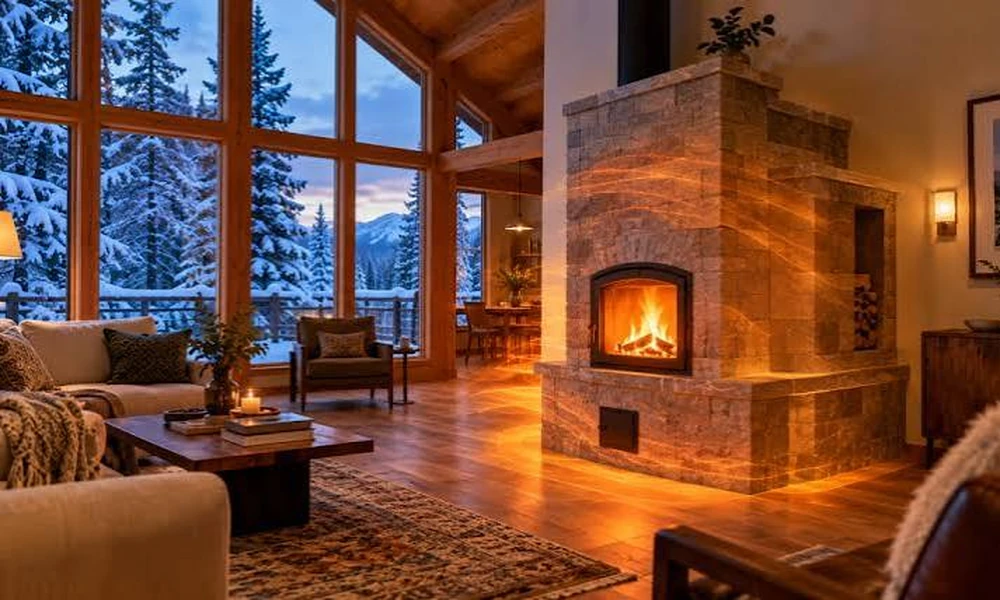
Winters in the northern Rockies are not like winters in most of the country. Long cold snaps, heavy snowfall, wind coming off the mountains, and nights that plunge well below zero ask a great deal of any heating system. A furnace that feels perfectly adequate in October can reveal every weakness in January, usually at the least convenient hour. Understanding how this kind of climate stresses your equipment helps you prepare in advance instead of reacting in an emergency. When you need professional help, a local Kalispell HVAC contractor can assess your system with the realities of the region in mind.
Instead of a maintenance checklist or a repair guide, this article is organized around the specific challenges a cold mountain climate creates and how homeowners can meet each one.
Challenge One: Extended Run Times
In a mild climate, a furnace cycles on and off through the day. During a deep freeze, it may run almost continuously for days. That nonstop operation strains blower motors, igniters, heat exchangers, and belts.
Ways to respond:
- Replace the air filter before the cold season begins and check it monthly during heavy use.
- Listen for new noises such as grinding, rattling, or repeated clicking.
- Notice if the house takes longer than usual to reach the set temperature.
- Keep supply and return vents clear of furniture and rugs so air can move freely.
Challenge Two: Cold That Gets Inside the House
Even a strong heating system struggles when heat escapes as quickly as it is produced. Drafty windows, thin attic insulation, and gaps around doors make the system work harder for the same comfort.
Ways to respond:
- Seal visible gaps around doors, windows, and utility penetrations.
- Check attic insulation depth and look for thin or compressed spots.
- Close fireplace dampers when not in use.
- Use heavy curtains on cold windows at night and open them on sunny days.
The U.S. Department of Energy explains how insulation and air sealing work together to reduce heating demand in its guide to home heating systems, which also covers the main types of equipment and what affects their efficiency.
Challenge Three: Snow, Ice, and Blocked Vents
Heavy snow can bury outdoor equipment and block exhaust and intake pipes on high-efficiency furnaces. A blocked vent can cause the furnace to shut down or operate unsafely.
Ways to respond:
- Clear snow and ice away from exhaust and intake vents after every storm.
- Keep outdoor heat pump or condenser units elevated and free of drifted snow.
- Watch for icicles forming above vent terminations, since they can drip and refreeze into blockages.
- Never run a fuel-burning appliance if you suspect the vent is obstructed.
Challenge Four: Power Outages and Backup Heat
Winter storms can interrupt electricity, and many furnaces need power for the blower and controls even when they burn gas or propane. A long outage in subzero weather is more than an inconvenience.
Ways to respond:
- Know where your breaker panel and furnace shutoff switch are located.
- Keep warm blankets, flashlights, and batteries within easy reach.
- Ask a professional about backup options suited to your home.
- Never use outdoor equipment such as grills or generators inside the house or garage.
Challenge Five: Dry Indoor Air
Cold outdoor air holds very little moisture, and heating it indoors makes the air even drier. Dry air can cause static shocks, irritated skin and throat, cracked wood, and a feeling of coldness even at a reasonable temperature.
Ways to respond:
- Consider a humidifier, aiming for a comfortable level without causing condensation on windows.
- Avoid overheating rooms, which dries the air further.
- Add houseplants or simmer water on the stove occasionally for small, temporary relief.
Safety: The Part You Cannot Skip
Carbon monoxide is a real winter hazard in homes that burn fuel for heat. Install carbon monoxide detectors on every level and near sleeping areas, and test them regularly. Have fuel-burning equipment, chimneys, and venting inspected before heating season. Warning signs include soot around the furnace, a yellow or flickering burner flame, and frequent headaches or dizziness indoors. If an alarm sounds, leave the house and call emergency services.
Warning Signs That Call for a Professional
| Symptom | Possible Cause |
|---|---|
| Furnace blows cold air | Ignition or fuel supply problem |
| Short cycling | Dirty filter, overheating, or faulty sensor |
| Unusual burning smell | Dust burn off or a more serious fault |
| Uneven heating | Duct leaks or airflow issues |
| Sharp rise in energy bills | Declining efficiency or heat loss |
| System will not start | Thermostat, power, or control failure |
Burning smells that persist, gas odors, and any carbon monoxide alarm should be treated as urgent.
Repair or Replace?
A repair makes sense for an isolated problem on a system in decent shape. Replacement is worth discussing when the equipment is approaching the end of its typical lifespan, repairs are becoming frequent, or energy costs keep climbing. A good professional will explain your options clearly, show you what is wrong, and help you weigh the long-term costs rather than push the biggest option.
Preparing Before the First Hard Freeze
- Schedule a professional inspection and tune-up in early fall.
- Replace the filter and test the thermostat.
- Clear debris from around outdoor equipment and vents.
- Test carbon monoxide and smoke detectors.
- Stock up on any supplies you may need if the weather turns severe.
Final Thoughts
A heating system in a mountain climate works harder, runs longer, and faces more hazards than one in a gentler region. A little preparation goes a long way: seal the house, keep vents clear, protect against carbon monoxide, and have the equipment checked before the cold arrives. When something does not feel right, acting early is almost always cheaper and safer than waiting for a midwinter breakdown.
