

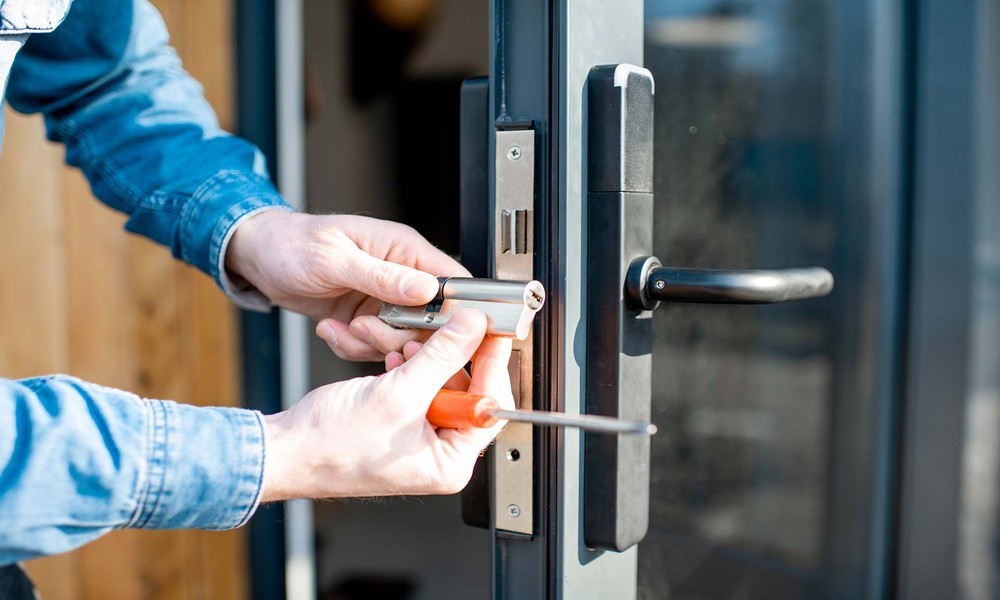
UPVC Door Lock and Handle Repair Guide for UK Homeowners
Throughout British homes, uPVC entry points remain a popular choice. They offer exceptional durability, excellent energy efficiency, and robust security features that protect families and property.
Over time, even the most reliable systems can experience mechanical issues. These problems often stem from a worn or strained internal component rather than a fundamental defect in the structure itself.
This comprehensive resource empowers property owners to understand, diagnose, and resolve common malfunctions. Targeted fixes can restore full functionality, maintaining critical security and avoiding the significant cost of premature replacement.
Key Takeaways
- uPVC doors are prized for their longevity, thermal efficiency, and strong security.
- Most malfunctions originate from internal mechanisms, not the door frame.
- Early identification of issues helps prevent potential security vulnerabilities.
- Many common problems can be addressed with straightforward DIY techniques.
- Understanding when to seek professional assistance is essential for complex faults.
- Regular care and prompt repairs extend the service life of your entry system.
- Taking timely action safeguards your home and avoids unnecessary expenditure.
Understanding Common UPVC Door Lock Issues
Recognising the early signs of trouble can prevent minor annoyances from becoming major security risks. Many malfunctions develop slowly, giving property owners a chance to act before a complete failure occurs.
Recognising Misalignment and Wear
A frequent issue stems from the entrance shifting out of its correct position. This misalignment happens over time due to natural property settlement or seasonal changes in temperature.
Even a movement of one or two millimetres can cause significant problems. The locking points no longer slot into the frame correctly. Early symptoms include a handle that feels stiff or a key that turns with noticeable resistance.
Visible gaps around the seal, increased draughts, or a need to lift or slam the panel shut are clear warnings. These signs indicate the alignment needs attention to avoid straining the internal mechanism.
Identifying Mechanical Failures
Internal component wear is another common source of issues. A handle that drops down under its own weight often points to a worn gearbox inside the door.
Conversely, if a key turns freely but fails to engage the bolt, the problem likely lies with the cylinder itself. These mechanical failures usually mean parts have become worn through repeated use.
Addressing these common problems promptly is crucial. It maintains the security and smooth operation a reliable upvc door should provide.
Step-by-Step upvc door lock and handle repair guide for homeowners
Before any tools are picked up, homeowners must first pinpoint the exact source of the issue. A methodical diagnosis prevents wasted effort and ensures the correct fix is applied. This foundational step is critical for maintaining a property’s security.
Diagnosing the Problem Accurately
Start by testing each component systematically. Operate the handle multiple times, noting its return action and any stiffness.
Insert the key and assess the turning resistance. Check if all locking points engage smoothly when the mechanism is activated.
Inspect visually for clues. Look at the strike plate for wear marks. Examine the gaps between the panel and its frame. These observations reveal alignment or wear issues.
|
Check |
Observation |
Potential Issue |
|
Handle Operation |
Handle falls down loosely |
Worn internal gearbox |
|
Key Turning |
Key turns but bolt doesn’t move |
Faulty cylinder |
|
Lock Engagement |
Bolt scrapes or won’t latch |
Frame misalignment |
|
Visual Inspection |
Visible gaps or worn strike plate |
General wear or settling |
Preparation and Essential Tools
Gathering the right tools beforehand streamlines the entire process. A quality screwdriver set with both flathead and Phillips heads is essential.
Use a silicone-based lubricant or graphite spray. Avoid oil-based products like GT-85, as they attract grime and cause future problems.
Proper preparation involves a few simple steps:
- Clear the immediate area to create a safe workspace.
- Ensure good lighting to see small components clearly.
- Have a tape measure ready to check alignment accurately.
- Source any necessary replacement parts based on your diagnosis.
This preparation enables a property owner to decide confidently if a DIY repair is suitable for their home.
Repair Techniques for Cylinder and Gearbox Problems
When a key turns without effect or a handle drops limply, the culprit is often a core component. Targeted repair techniques for the cylinder and gearbox can restore full function and security for property owners.
Replacing a Faulty Lock Cylinder
A worn lock cylinder prevents a key from engaging the bolt. Begin by removing the screws that secure the handle assembly in place.
Locate the small retaining screw on the side of the entry panel. Unscrew it carefully. Insert the key and turn it slightly to align the internal cam.
This allows the old cylinder to slide out. Insert the new cylinder, ensuring it is oriented correctly. Secure it with the retaining screw and reassemble the handle.
Fixing a Malfunctioning Gearbox
This component controls all the locking points. Its replacement is more involved. First, remove the internal handle and the entire lock strip from the frame.
Find the gearbox within the strip’s centre. Unscrew the mounting screws to free it. The new gearbox must match your specific upvc door lock system exactly.
Never force an entry open if the gearbox fails. This can wreck the mechanism and the door itself. After installing the new unit, refit the strip, check alignment, and test the door lock thoroughly.
DIY Tips and When to Call a Professional
A clear line exists between simple maintenance tasks and complex mechanical failures requiring specialist intervention. Understanding this distinction protects your property’s security and your wallet.
It empowers you to act confidently on minor issues while knowing when to step back.
Simple Fixes and Safety Precautions
Many common problems have straightforward solutions. Tightening a loose screw or applying a specialist lubricant are typical diy tasks.
These actions can resolve stiffness and restore smooth operation. Safety is paramount during any repairs.
Expert advice from Window Doctor UK emphasises that homeowners should never use force when a component resists normal operation.
Applying excessive pressure can snap internal parts. This mistake turns a simple fix into a major, costly issue.
Recognising When Professional Help is Essential
Some situations demand a trained technician. If a handle drops completely or multiple locking points fail, internal damage is likely.
Attempting a complex fix without the right experience risks trapping the mechanism. This can compromise security for some time.
As recommended by Window Doctor, seeking professional services is wise for these faults. The cost difference is significant.
|
Situation |
Recommended Action |
Key Consideration |
|
Loose handle screw |
DIY Tightening |
Uses basic tools, low risk. |
|
Stiff key turn |
DIY Lubrication |
Prevents cylinder wear. |
|
Gearbox failure |
Professional Repair |
Requires specialised parts and knowledge. |
|
Multiple points jammed |
Professional Help |
Prevents further damage to the door. |
Professional repairs often start from £65. A full replacement can exceed £900. Knowing when to call for help saves money and maintains safety.
Maintaining the Security and Longevity of UPVC Doors
The longevity of a secure entry point hinges not just on quality installation but on dedicated ongoing upkeep. A proactive maintenance routine preserves optimal function and prevents minor wear from escalating.
This approach safeguards your property’s security and avoids the substantial replacement expense of an entire door.
Regular Lubrication and Alignment Checks
Apply a silicone-based lubricant to the mechanism every six months. Target the keyhole, cylinder, and all moving parts within the locking strip.
Operate the handle and turn the key several times to spread the lubricant evenly. This simple act prevents stiffness and wear.
Check the alignment seasonally. Temperature changes cause upvc materials to expand and contract.
Look for even gaps around the frame. Listen for scraping sounds when engaging the lock.
Ongoing Maintenance Strategies for Long-Term Durability
Homeowners should adopt these consistent habits:
- Inspect and tighten all screws on hinges and faceplates.
- Clean the mechanism to remove dirt that accelerates wear.
- Test all locking points monthly to ensure full engagement.
Addressing slight stiffness immediately stops a small issue becoming a major problem. This preserves the security of your home.
Consider an annual professional inspection. A technician can spot potential faults early.
This investment is minimal compared to emergency repair costs. Consistent care extends the service life of upvc doors for many years.
Conclusion
A proactive approach to component care prevents disruptive and costly failures. Experiencing difficulties with a upvc entrance does not mean it is beyond saving. Most malfunctions stem from a single worn or misaligned part.
Targeted repair can restore full security and extend the system’s lifespan. Understanding common issues and performing regular checks are vital. Addressing stiffness or misalignment early avoids major problems.
The door handle, lock cylinder, and internal gearbox are typical components needing attention. Each can be serviced or replaced cost-effectively. Consistent maintenance preserves optimal performance for upvc systems.
By recognising warning signs and knowing when to call an expert, homeowners protect their investment. This ensures continued security, energy efficiency, and reliable operation for years to come.
FAQ
What are the most common signs that my UPVC door lock needs attention?
The most frequent indicators include the key becoming difficult to turn, the handle feeling loose or floppy, or the bolt not engaging properly with the strike plate. You may also notice visible misalignment where the door no longer sits flush within its frame. These symptoms often point to wear, internal mechanism failure, or issues with the hinges.
Can I replace a euro cylinder lock myself, and what should I look for?
Yes, replacing a euro cylinder is a common DIY task. The crucial step is to ensure you purchase the correct size. Measure the total length of the existing cylinder and the distance from the centre screw hole to each end. Opt for a high-security, anti-snap cylinder from a reputable brand like Yale or ERA to significantly improve your property’s security against lock snapping attacks.
My door handle turns but nothing happens. What does this mean?
This typically signifies a failure of the internal gearbox. When the handle is turned, it should engage a mechanism that moves the locking points. If it spins freely without resistance, the gears inside the gearbox are likely stripped or broken. This component usually requires a full replacement to restore proper function.
When should I definitely call a professional locksmith instead of attempting a DIY fix?
Seeking professional help is essential if the repair involves complex disassembly you’re uncomfortable with, if the door is severely misaligned at the hinges, or if security has been compromised-such as after a break-in attempt. Companies like Window Doctor UK recommend calling an expert when the problem is not immediately diagnosable or if specialised tools are required, ensuring the fix is secure and lasting.
How can I maintain my doors to prevent future lock and handle problems?
Regular maintenance is key. Apply a silicone-based lubricant to the moving parts of the mechanism and hinges every six months. Frequently check that all screws on handles and hinges are tight. Also, ensure the door closes smoothly without you having to lift or force it, as this can indicate an alignment issue that, if left, will strain the locking system.
