

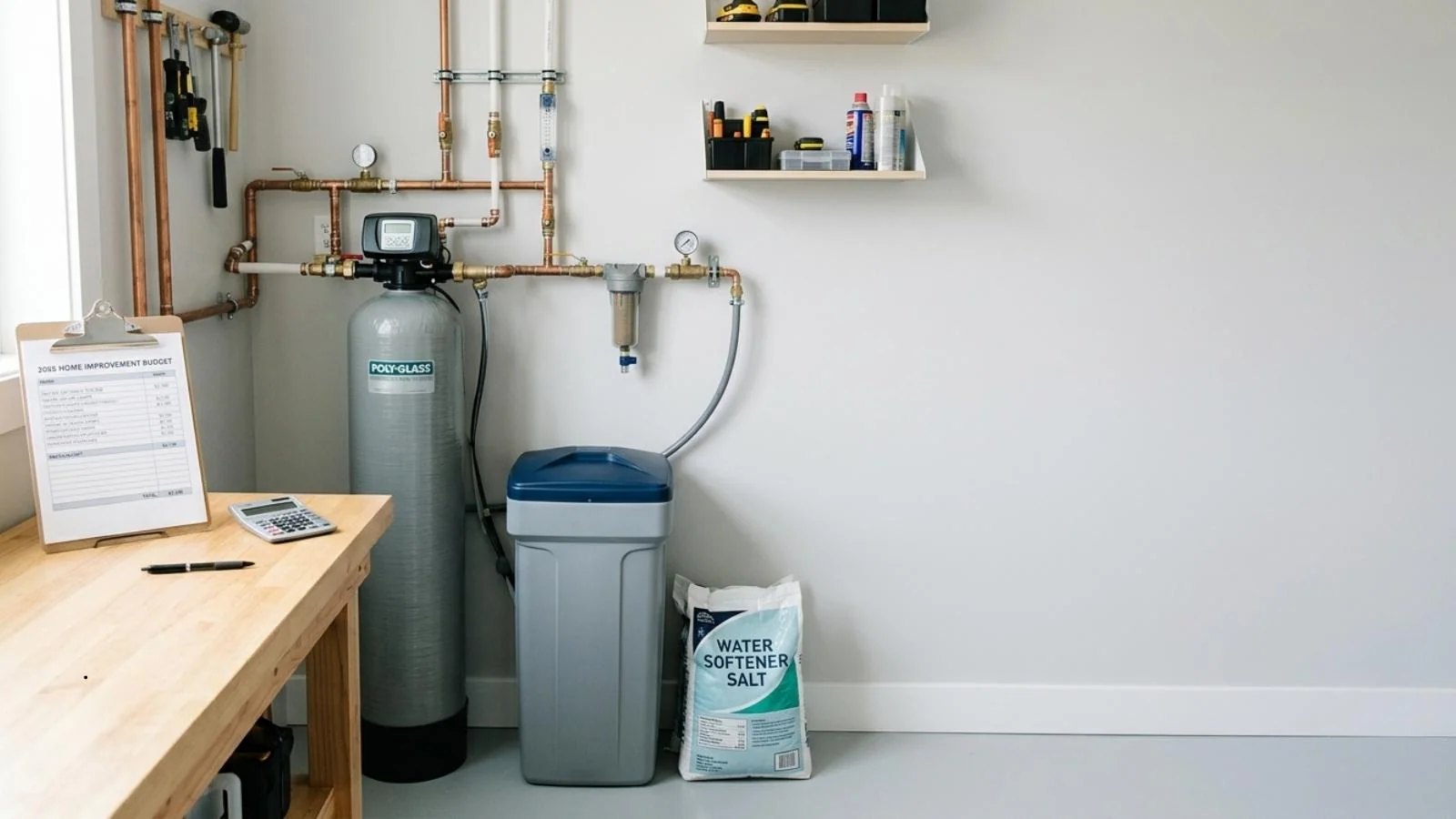
Hard water leaves behind more than just a faint film on glassware. In many homes, mineral buildup quietly shortens the life of water heaters, clogs fixtures, and makes everyday tasks like laundry and dishwashing less effective. Over time, these small frustrations add up in both cost and inconvenience.
Deciding whether a system makes sense starts with understanding how hard water affects your household and what professional water softener installation St. Peters, MO can realistically deliver. The right setup reduces scale, improves water feel, and often pays for itself through lower appliance repairs and reduced soap use, but only when matched to actual water conditions and household needs.
Understanding Hard Water and Its Effects
Hard water contains elevated levels of dissolved minerals, primarily calcium and magnesium. These minerals are not harmful to drink, yet they react with heat and surfaces in ways that create lasting problems. When water is heated, the minerals precipitate out and form scale inside pipes, water heaters, and appliances. Scale acts as an insulator, forcing equipment to work harder and use more energy. It also narrows water pathways, reducing flow and eventually causing expensive failures.
Beyond equipment, hard water changes how soap and detergents perform. Lather forms poorly, so you need more product to clean. Clothes can feel stiff and fade faster. Skin and hair often feel dry or coated after showering because the minerals interfere with rinsing. Spotting on dishes and fixtures becomes a constant chore. In regions where municipal or well water runs hard, these issues are widespread and progressive rather than sudden.
Signs Your Home May Benefit from Softened Water
Certain everyday observations point strongly toward hard water. White crust around faucets and showerheads, cloudy ice cubes, and residual film on glass shower doors are common early indicators. If your water heater requires frequent flushing or shows reduced capacity, scale is often the culprit. Higher-than-expected energy bills for water heating can also signal inefficiency caused by mineral buildup.
Laundry provides another clue. Clothes that never quite feel soft, towels that lose absorbency, or colors that dull quickly may reflect mineral interference. Soap scum that builds up faster than usual in sinks and tubs is another practical marker. Testing kits available at hardware stores or professional water analysis can confirm hardness levels and guide decisions about treatment.
How Water Softeners Work and What They Deliver
Most whole-house systems use ion exchange. Hard water passes through a resin bed charged with sodium or potassium ions. The resin captures calcium and magnesium ions and releases the milder ions in their place. Periodically, the system regenerates by flushing the resin with a brine solution, restoring its capacity. The result is water that no longer forms scale and works more efficiently with soaps and detergents.
Benefits appear across the home. Appliances last longer because heating elements and internal parts stay free of insulating deposits. Plumbing maintains better flow. Cleaning requires less product, and surfaces stay clearer with less scrubbing. Showers feel different—soap rinses more completely, and skin and hair often less residual film. These improvements are measurable in reduced maintenance and more consistent daily performance.
Weighing the Investment
Whether installation is worthwhile depends on several practical factors. Homes with consistently hard water and older appliances typically see clearer returns because the system protects expensive equipment. Larger households that use significant volumes of water also gain more from efficiency improvements. Conversely, very soft water or minimal mineral issues may not justify the equipment and ongoing salt or potassium costs.
Upfront expenses include the unit itself, professional sizing, and installation. Ongoing costs involve regenerant material and occasional resin maintenance. Against these stand avoided repairs, lower detergent use, and extended appliance life. A realistic assessment compares current water-related repair history and cleaning expenses with the projected long-term savings. Professional testing helps avoid oversizing or undersizing, both of which reduce value.
Professional water softener installation St. Peters, MO becomes especially useful when the home’s plumbing layout, water pressure, or existing treatment systems require careful integration. Incorrect placement or inadequate capacity can limit results or create new issues such as pressure drops.
When Professional Assessment Makes Sense
Not every hard-water problem requires a full softener. In some cases, targeted filters or point-of-use devices address specific concerns. A licensed plumber or water-treatment specialist can measure hardness, evaluate flow rates, and recommend the appropriate capacity and type of system. They also handle the plumbing modifications, drainage requirements for regeneration, and local code compliance that DIY projects often overlook.
Assessment is particularly valuable when a home has mixed water sources, older galvanized pipes, or previous treatment equipment. An expert can identify whether the primary issue is hardness, other contaminants, or a combination, preventing unnecessary purchases.
Long-Term Care and Realistic Expectations
Once installed, a softener needs regular attention. Salt or potassium levels must be monitored and replenished. Occasional cleaning of the brine tank and checks of the control valve keep regeneration efficient. Most modern units operate automatically, yet annual professional inspection catches resin wear or valve problems before they affect performance.
Expectations should stay grounded. Softened water reduces scale dramatically but does not remove every dissolved solid. Taste and feel improve for most users, yet individual preferences vary. Proper sizing and consistent maintenance determine how fully the benefits materialize over years of use.
Key Takeaways
Hard water imposes steady costs through scale, higher cleaning product use, and shortened appliance life. A correctly sized and professionally installed softener addresses these issues effectively for many households, delivering noticeable improvements in efficiency and daily convenience. The decision rests on measured water conditions, realistic cost comparison, and proper system matching rather than general assumptions.
For homeowners facing persistent mineral problems, arranging a water test and professional evaluation provides the clearest path to determining whether water softener installation St. Peters, MO is a sound long-term choice for their specific situation.
