

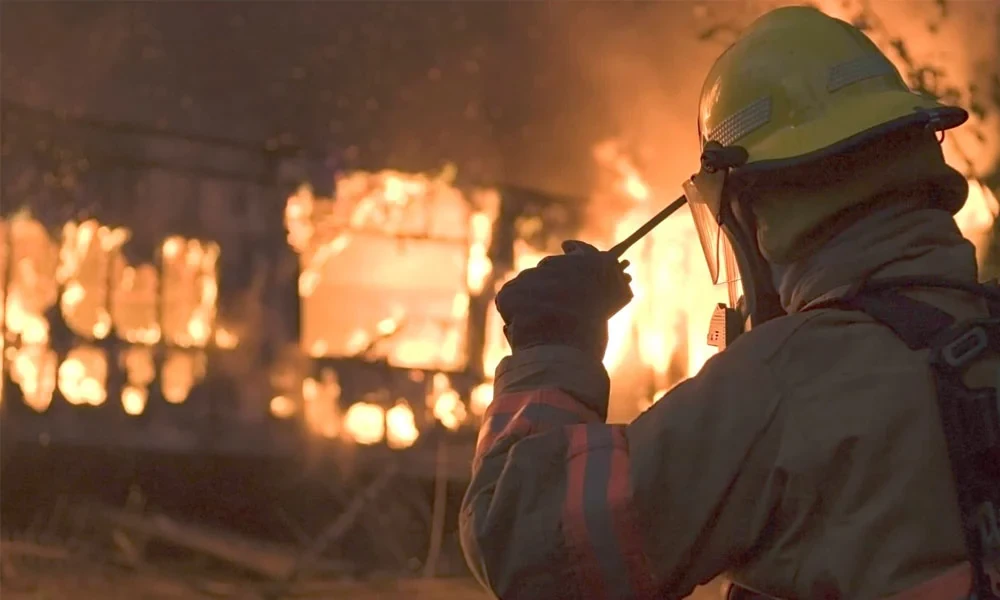
Fire watch guards play an important role in protecting people, property, and workplaces from potential fire hazards. Their responsibilities become especially important when fire alarm systems, sprinklers, or other safety equipment are temporarily unavailable. Effective fire watch guards need the right combination of awareness, communication, training, and responsibility to perform their duties successfully.
For businesses that need dependable fire safety coverage, trained Fire Watch Guards can provide an added layer of protection when standard fire prevention systems are unavailable or when temporary hazards require closer supervision. These professionals remain alert throughout their assigned shifts, conduct regular inspections, identify unsafe conditions, and communicate concerns promptly to the appropriate personnel. Their presence helps businesses maintain a proactive approach to fire prevention while supporting a safer environment for employees, visitors, and property.
Strong Observation Skills
One of the most important qualities of a fire watch guard is attention to detail. Guards must regularly inspect assigned areas and look for conditions that could lead to a fire. This may include exposed electrical wiring, overheating equipment, blocked exits, combustible materials, smoke, unusual Odors, or other potential hazards.
Consistent observation allows guards to identify problems before they develop into serious emergencies.
Knowledge of Fire Safety Procedures
Fire watch guards should understand basic fire prevention and emergency procedures. They need to know how to recognize common fire hazards, operate appropriate safety equipment when trained to do so, and follow the property’s emergency response plan.
Understanding the layout of the building is also important. Guards should know the locations of emergency exits, fire extinguishers, alarm systems, utility shutoffs, and other relevant safety features.
Regular Patrols and Monitoring
Continuous monitoring is a key responsibility of fire watch personnel. Depending on the property’s requirements, guards may conduct scheduled patrols throughout different areas of the premises.
During these patrols, they should carefully check for:
- Signs of smoke, flames, or excessive heat
- Unsafe storage of combustible materials
- Electrical or equipment-related hazards
- Blocked emergency exits or access routes
- Fire protection equipment that appears damaged or inaccessible
Regular patrols help maintain awareness of changing conditions throughout the property.
Clear Communication
Effective communication is essential during both routine monitoring and emergencies. Fire watch guards should be able to communicate clearly with employees, building occupants, supervisors, security teams, and emergency responders.
If a dangerous condition is identified, the guard must report it promptly through the appropriate communication channel. During an emergency, clear communication can help prevent confusion and support a faster response.
Accurate Recordkeeping
Documentation is another important responsibility. Fire watch guards may need to record patrol times, observations, identified hazards, corrective actions, and unusual incidents.
Accurate records provide businesses with useful information about the property’s safety conditions and can demonstrate that required monitoring procedures were followed.
Quick and Responsible Decision-Making
Fire watch guards must remain calm and alert when facing unexpected situations. If smoke, flames, or another serious hazard is discovered, they should follow established emergency procedures without unnecessary delay.
They should understand when to alert occupants, contact emergency services, notify responsible personnel, and take other actions permitted by their training and site-specific procedures.
Professionalism and Reliability
A successful fire watch guard must be dependable and focused throughout the assigned shift. Fire risks can develop at any time, so guards should avoid distractions and remain attentive while performing their duties.
Professionalism also includes following site rules, maintaining appropriate communication, arriving on time, and taking every reported hazard seriously.
