

Many homeowners don’t know how split system air conditioners operate, yet they are the most common type of home cooling and heating system on the market. By knowing the basic way a split system works, it will be used properly, be maintained properly and be purchased properly. This is a breakdown of how split system air conditioners work and the role of its main parts.
Understanding how split system air conditioners work operates
The two main components and their roles
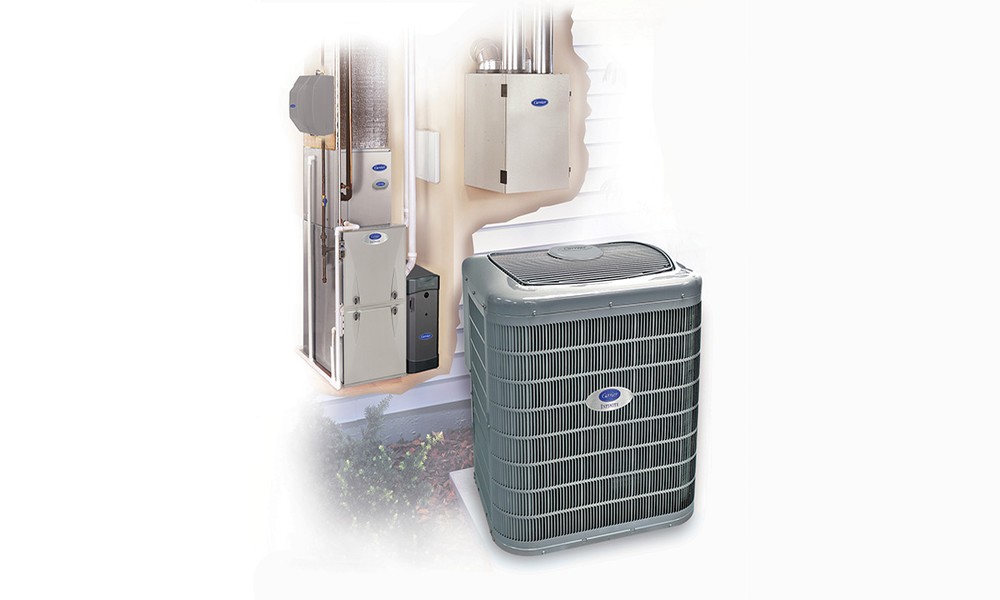
The split system air conditioner is the name because it consists of two units; inside the building and outdoors. These two carry out heat exchange between the indoor and outdoor environment, either cooling or heating the indoor space, in a refrigerant cycle. A split system air conditioner has the following two main elements:
- Indoor wall unit: Wall unit placed in a room to draw air from the room and condition it with the refrigerant coil and return it to the room.
- Outdoor compressor unit: Condensed and enclosed unit that contains the compressor, condenser coil, and fan that release or absorb heat from the outdoors.
How the refrigerant cooling cycle works
The cooling mechanism on a split unit initiates by transferring the room heat outside because of a continuous cycle of the refrigerant. An awareness of this cycle will help you to comprehend how the system will reduce the room temperature rather than generating cold air. The cooling cycle in split system can be broken down into these key stages:
- Warm air drawn over the evaporator coil: The warm air in the room is blown across the cold evaporator coils and warm air extracts the heat from the coils and cools the air in the room.
- Refrigerant compression: The now hot refrigerant vapour is transferred to the outside unit where the compressor raises the pressure of the vapour to a significant level, increasing its temperature.
- Heat released through the condenser coil: The warm high pressure refrigerant is sent through the outside condenser coil and the outside fan pushes the heat into the outside air.
- Refrigerant expansion and cooling: Refrigerant is received and expands through a valve to a significant drop in pressure and temperature, before being returned to the indoor unit for the next round.
How reverse cycle heating works in a split system
Most modern split-systems are reverse cycle, which means that they can heat a house as effectively as they cool it. Basically, the heat exchange direction of the refrigerant cycle is reversed; that is the heat is drawn instead from the outdoor air, bringing it inside the building. In a split system air conditioner, how reverse cycle heating works contains:
- Heat absorption from outdoor air: Absorbs heat from the outside air even in cool weather and adds the heat to the refrigerant circuit for indoor use.
- Refrigerant compression for heat amplification: Compressor raises the refrigerant temperature even higher so that the heat can be transferred to the inside of the room effectively.
- Heat delivery through the indoor coil: The now heated refrigerant transfers the heat to the inside coil and the fan spreads warm air out to the room uniformly.
- Energy efficiency advantage over resistive heating: The flow of energy generated by a split system compared to a conventional electric stove/heater or a panel radiator is very much greater.
Conclusion
The split system air conditioner circulates air and heat between the inside and outside of the house using a process of refrigerant flow in a circuit, controlled by the compressor, evaporator coil and condenser coil. Homeowners can use these basics to make better use of the system, to properly care for it, and in selecting the most appropriate system for the use at home.
