

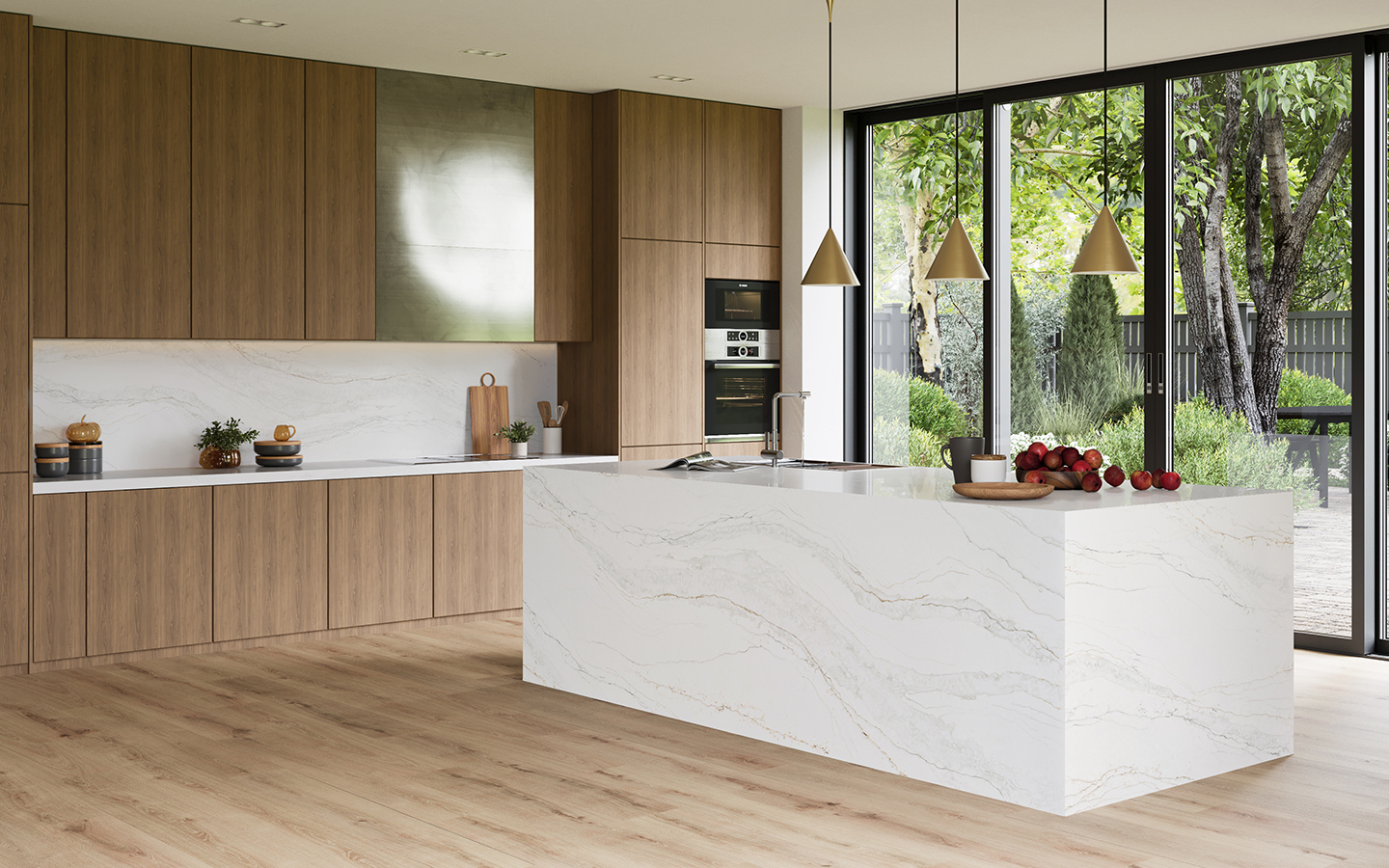
A kitchen can tell the story of a home in a single glance, and nowhere is that narrative more vivid than in the countertop choices that define its heart. Quartz, once considered a luxury outlier, has now surged to prominence, bridging the gap between sleek design and everyday resilience. A quiet revolution is underway, as new trends transform what it means to have a contemporary kitchen anchored by quartz countertops.
Why Quartz Countertops Are Revolutionizing Contemporary Kitchens
Traditional countertop materials like laminate and tile have long dominated kitchen design, but their limitations are glaring under modern scrutiny. Chipped edges, stubborn stains, and dated aesthetics cannot compete with the needs of today’s homeowners, who crave flawless function and a tailored look. Even natural stones, while beautiful, often require regular sealing or special care.
The evolution of quartz responds directly to these shortcomings. Consumers are demanding surfaces that are as durable as they are beautiful, and quartz delivers with remarkable strength and endless design adaptability. It withstands high-traffic kitchens, resists stains, and avoids the maintenance headaches associated with older options.
Sustainability is also pressing. As more people prioritize eco-friendly homes, non-porous, low-maintenance quartz surfaces become even more attractive. They not only stand up to daily wear but also support greener living by lasting longer and reducing replacement needs.
Breaking Down the Latest Design Innovations in Quartz Countertops
This new wave of quartz design is anything but static. Modern palettes now venture far beyond predictable whites and greys, introducing richly veined surfaces and textured finishes that emulate marble, concrete, and even raw stone. Matte finishes, subtle shimmer, and intricate patterns now give quartz the ability to fit any vision.
One trend gaining steam is seamless, joint-free installations. These deliver a clean, uninterrupted look that feels custom-made for contemporary spaces. Waterfall edges, where the countertop material flows vertically to the floor, create eye-catching focal points and can be paired with vein matching for a sophisticated, continuous effect.
Designers are also experimenting with hybrid materials. The integration of porcelain and quartz, for example, achieves the best of both worlds: porcelain’s refined surface feel and quartz’s impressive durability. This opens new horizons for creative kitchen features, from islands to bold backsplashes.
Functional Benefits Driving Quartz Countertops’ Popularity
Underneath all that beauty lies function. Quartz is engineered for kitchens that truly get used. It laughs off hot pans, shrugs away knife scratches, and keeps its polished look through years of activity. The non-porous surface means spills and splatters never soak in, making quartz among the most hygienic choices for food prep.
Maintenance, or lack thereof, is another strong selling point. A quick wipe is often all that is needed to keep quartz gleaming, with no need for specialty cleaners or periodic sealing. Custom fabrication ensures that every slab is sized and styled for its exact space, creating a flawless fit alongside your cabinetry and appliances.
Addressing Common Concerns and Misconceptions
Quartz and granite are often compared, but the differences are more than cosmetic. Granite offers natural beauty but can be more porous and prone to staining without proper upkeep. Quartz, being engineered, offers greater consistency in color and pattern and is less susceptible to chips and cracks.
| Feature | Quartz | Granite |
|—————|——————————-|——————————-|
| Appearance | Consistent, wide color range | Unique, natural variations |
| Durability | Extremely hard, less porous | Very hard, more porous |
| Maintenance | Low (no sealing required) | Higher (needs sealing) |
| Cost | Similar or slightly higher | Can be less expensive |
| Installation | Professional recommended | Professional recommended |
Concerns about environmental impact are real, but manufacturers are increasingly sourcing materials responsibly and recycling water during fabrication. Professional installers also help avoid DIY pitfalls, ensuring the countertop’s longevity and beauty.
Transforming Kitchen Spaces with Quartz: Real-World Applications
Quartz is no longer limited to the countertop itself. Designers are installing it on kitchen islands, backsplashes, and even vertical applications like waterfall edges for a seamless, luxurious effect. Its versatility allows homeowners to coordinate across different surfaces and tie together diverse design elements, from metallic fixtures to natural wood cabinetry.
Refreshingly, this kind of upgrade can translate to actual value. Home buyers routinely cite updated kitchens as a top priority, and quartz’s combination of modern style and practical benefits often boosts a property’s appeal.
How to Choose the Perfect Quartz Countertop for Your Kitchen
The process starts with asking what matters most to your household: Is it resilience for family life? A bold visual statement? Easy cleaning? From there, explore the array of available finishes, colors, and edge profiles. Many suppliers offer bespoke options to ensure your countertop mirrors your style without compromise.
Budget is never out of sight. With a broad range of price points, it’s possible to get a premium look without overspending. Comparing samples and discussing options with knowledgeable professionals can help you find the best fit for your home and wallet.
Taking Action: Steps to Update Your Kitchen with Quartz Countertops
When it’s time to upgrade, partnering with an expert supplier is essential. Seek out providers known for quality materials, quick turnaround, and strong warranties. Look for details like manufacturer guarantees, efficient turnaround times, and installation precision to ensure a smooth, stress-free process.
Resources like comptoirs Quartz Blanc stand out by offering customizable solutions and rapid installation, so your dream kitchen can take shape with minimal disruption.
Looking Ahead: Emerging Trends and Future Directions in Quartz Countertop Design
The future of quartz design is bright. Advancements in material science are pushing boundaries, enabling ultra-thin slabs, bolder patterns, and even more sustainable options made with recycled content. Eco-friendly choices are gaining momentum as homeowners seek beautiful surfaces with a smaller environmental footprint.
Looking forward, expect to see kitchens that blend high-performing quartz with smart integration, personalized colorways, and design statements that cater to the way people really live today. The story quartz tells in modern kitchens is just getting started.
