

Picture an ordinary weeknight. The kitchen lights dip every time the microwave starts. An outlet behind the couch stopped working months ago, so a power strip now snakes across the floor. The bathroom fan hums louder than it used to. None of these feels like an emergency, and most households simply learn to live around them.
That habit is understandable, but each glitch is the electrical system describing a specific condition. Some of those conditions are harmless, while others are slowly getting worse behind the drywall. Homeowners who look into Concord general electric services often find that the small repairs they postponed for years trace back to just one or two root causes, such as a loose connection or a circuit asked to carry more than it was designed for.
The useful skill is not fixing these problems yourself. It is knowing which ones deserve a call today, which can go on next month’s list, and which are mostly annoyances. Sorting them that way takes the guesswork out of an otherwise vague worry.
Problems That Should Not Wait
A Warm or Discolored Outlet or Switch Plate
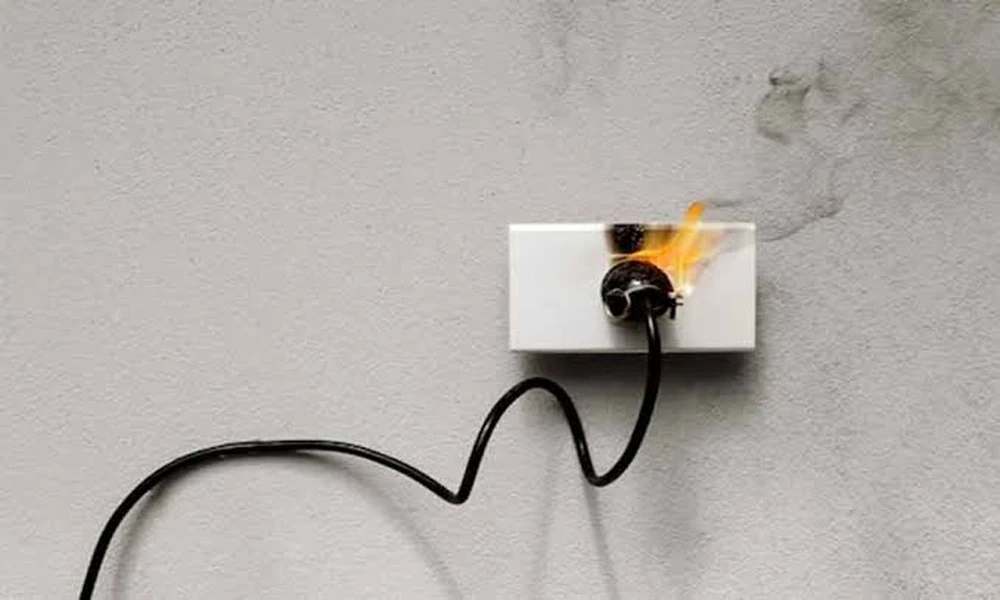
Outlets and switches should feel the same temperature as the wall around them. Warmth, browning, or a faint plastic smell means heat is building at a connection, usually because a wire has loosened or a device has worn out. Heat at a connection is one of the classic starting points for electrical fires, so stop using that outlet and turn off its breaker until someone can open it up.
Buzzing, Crackling, or Sizzling
Electricity flowing properly is silent. A buzz from a switch, outlet, or the panel itself often points to arcing, where current jumps across a small gap. Dimmer switches can hum a little under load, which is normal. Crackling from a regular outlet is not.
A Breaker That Trips Instantly After Reset
A breaker that trips once after a space heater and a hair dryer run together is simply doing its job. One that snaps off the moment you reset it, with nothing plugged in, suggests a short circuit somewhere in the wiring. Repeatedly forcing it back on is the wrong move.
Problems Worth Scheduling Soon
Lights That Dim When Appliances Start
A brief dip when a large motor kicks on can be normal in older homes. Persistent dimming, or flickering across several rooms at once, can indicate a loose neutral connection or a circuit carrying too much load. The Electrical Safety Foundation International lists lights dimming when other devices turn on among the warning signs of an overloaded system, along with frequent tripping, buzzing outlets, discolored receptacles, and appliances that seem underpowered. The same guidance suggests an electrician’s inspection for homes older than 40 years or after a major appliance has been added.
Dead Outlets
A single dead outlet often has an ordinary explanation. It may sit downstream of a tripped GFCI outlet in another room, since bathrooms, garages, and exterior walls are often linked that way. If resetting every GFCI in the house does not bring it back, the cause is likely a failed device or a loose wire, and that loose wire may be affecting other outlets on the same run.
Two Prong Outlets Throughout the House
Many homes built in the 1950s and early 1960s still have ungrounded outlets. They work, but they offer no ground path for surge protectors or for appliances with three prong plugs. Adapters that bypass the third prong do not fix that. Grounding options vary by house, and in some cases a GFCI device is an accepted code solution where running a new ground wire is impractical.
Before You Make the Call
A few simple checks can save time and help describe the problem clearly:
- Note exactly which outlets, lights, or rooms are affected.
- Press the test and reset buttons on every GFCI outlet in the house.
- Look at the panel for any breaker sitting in the middle position, then switch it fully off and back on.
- Write down what was running when the problem appeared.
- Snap a photo of the panel label and any scorched or discolored device.
Stop there. Removing covers, testing wires, or swapping devices on a circuit that is overheating or arcing is work for a licensed electrician.
Annoyances That Still Tell You Something
Constant Reliance on Extension Cords
If power strips and cords have quietly become permanent fixtures, the house is short on outlets where people actually live and work. Cords were never meant to be permanent wiring. They can overheat under rugs or when pinched in doors, and they should never feed space heaters. Adding outlets is usually a modest job that removes a long term hazard.
Bulbs That Burn Out Unusually Fast
Repeated early bulb failure in one fixture can mean the fixture runs hot, the bulb exceeds its rated wattage, or voltage is fluctuating. Switching to LED lowers the heat, but if fast failure continues, the fixture or connection deserves a closer look.
Switches That Control Nothing
Every older home seems to have one. Often it once powered an outlet for a lamp, a disposal that was removed, or an outdoor fixture long gone. It is usually harmless, but it is worth identifying, especially if it might be feeding a hidden junction box.
Why Concord Area Homes See These Patterns
Much of central Contra Costa County was built in the postwar decades, and the electrical systems in those houses reflect their era. Ungrounded outlets, small 60 or 100 amp services, and kitchens wired before microwaves or dishwashers were common show up regularly. Some homes built in the late 1960s and early 1970s also used aluminum branch wiring, which can loosen at connections over time and needs compatible devices and connectors when outlets or switches are replaced.
Layered on top of that is everything modern households plug in. Home offices, EV chargers, heat pumps, and induction cooktops all ask more from circuits than their original designers imagined. A glitch that seemed random often turns out to be an old circuit meeting a new appliance.
Treating the System as a Whole
The most cost effective approach is usually to stop handling glitches one at a time. When an electrician is already opening walls or the panel for one repair, mentioning the other quirks can turn three separate visits into a single afternoon. It also gives a clearer picture of whether the house needs small fixes or a broader upgrade.
Electrical systems rarely fail without warning. They hum, flicker, warm up, and trip long before anything serious happens. Paying attention to those signals, and acting on the urgent ones promptly, keeps a home both safer and far less frustrating to live in.
