

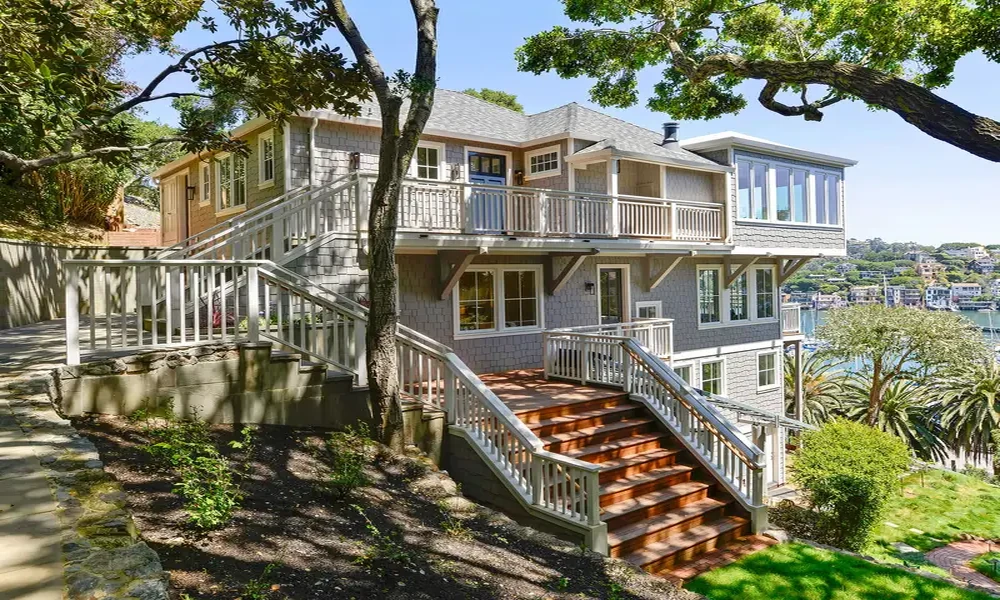
Steep driveways, lakeside docks, and hillside gardens are beautiful, but climbing sixty steps with groceries gets old fast. A funicular for home use turns that daily struggle into a short, comfortable ride. Here are five things to consider before investing.
1. Understand What a Home Funicular Actually Is
A residential funicular, also called an inclined elevator or hillside tram, is a small cab that travels along a fixed rail on a slope. It is built for outdoor use and carries people, groceries, and gear between a house and a garage, dock, pool, or garden. Many homeowners install one for mobility reasons, while others simply want easier access to their own property.
2. Put Safety and Code Compliance First
Inclined elevators are a regulated category, so compliance matters. Look for a design that follows ASME A17.1, the North American elevator safety code, which includes a section for residential inclined elevators. Ask whether the installer carries product liability insurance, pulls the required permits, and holds the licenses your state requires.
Also ask about the safety hardware itself. Features like a captured rail design, which keeps the car inside the track, and slack-cable brakes that engage if a cable fails are worth comparing between suppliers.
3. Match the System to Your Terrain
No two hillsides are alike. Slope angle, soil type, vegetation, and access for equipment all affect the design. Some properties need concrete columns, others pin piles or helical piles. A good provider builds around your site rather than forcing a standard layout onto it. Some systems handle steep inclines of up to 70 degrees, which can matter on dramatic lots.
4. Consider Your Climate
Your funicular will sit outside year-round, facing rain, snow, heat, UV rays, and possibly salt air. Weather-rated electrical enclosures, stainless steel hardware, and corrosion-resistant finishes help the system last. If you live near the ocean or in a cold region, tell your provider early so components can be chosen to suit.
5. Plan for the Full Project Timeline
The on-site installation is often quick, sometimes only one to two weeks. The full project takes longer, though. Design, engineering, permitting, manufacturing, shipping, and final inspection all add time. Ask for a clear outline of each phase so you know what to expect.
Don’t Skip Maintenance
Like a car, a funicular for home use needs regular care. Annual maintenance and safety inspections by trained technicians keep it running reliably, especially since it lives outdoors all year. Ask about service options before you buy, not after.
Customize It to Your Lifestyle
Cab size, paint color, trim material, and seating can usually be tailored to match your home’s look. Wheelchair-accessible and ADA-friendly options also exist for households that need them.
Ready to Explore Your Options?
If you are comparing systems, the residential inclined elevator and hillside lift options from Hill Hiker are a helpful place to see project examples, specifications, and answers to common questions. Their team also offers custom quotes based on your property.
A well-planned funicular for home use can add comfort, independence, and value to a hillside property. Start with safety, match the design to your site, and plan for maintenance, and you will enjoy the ride for many years.
